
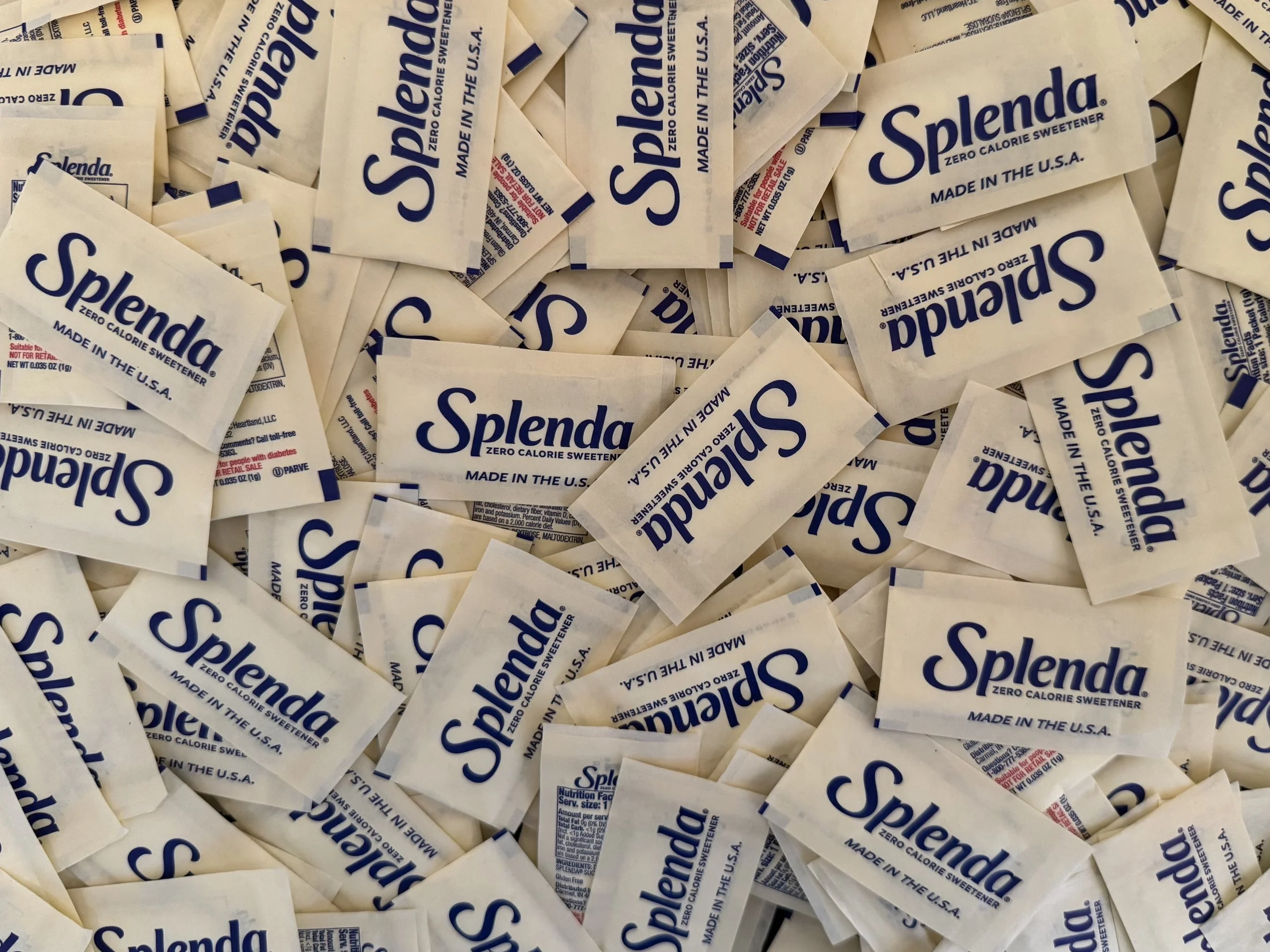
ELIMINATE SUCRALOSE
Alarming research reveals sucralose increases tumor growth and reduces the effectiveness of immunotherapies
“Just three packets of sucralose a day were enough to completely blunt immunotherapy response. Patients deserve to know this.”
— Dr. Abby Overacre
Sucralose Consumption Ablates Cancer Immunotherapy Response through Microbiome Disruption
Summary: Consumption of the artificial sweetener sucralose shifts the gut microbiome, restricts T-cell metabolism/function, and undermines the effectiveness of immune-checkpoint inhibitor therapy in preclinical models and patients.
Key Finding: Higher sucralose intake is associated with reduced immunotherapy efficacy (in melanoma & NSCLC) and supplementation with arginine or fecal-microbiota transfer (FMT) restored response in models.
Gut microbiome profile is associated with immunotherapy efficacy.
Fecal Microbiota Transplantation Overcomes Resistance to Anti–PD-1 Therapy in Melanoma Patients
Summary: In a clinical trial, patients with melanoma refractory to anti-PD-1 therapy received fecal microbiota transplants (FMT) from long-term responders; a subset achieved durable responses, showing that altering the gut microbiome can overcome immunotherapy resistance.
Key Finding: FMT combined with anti-PD-1 therapy led to clinical benefit in 6 of 15 previously resistant patients, linked with increased beneficial gut bacteria, CD8+ T cell activation, and reprogramming of the tumour microenvironment.
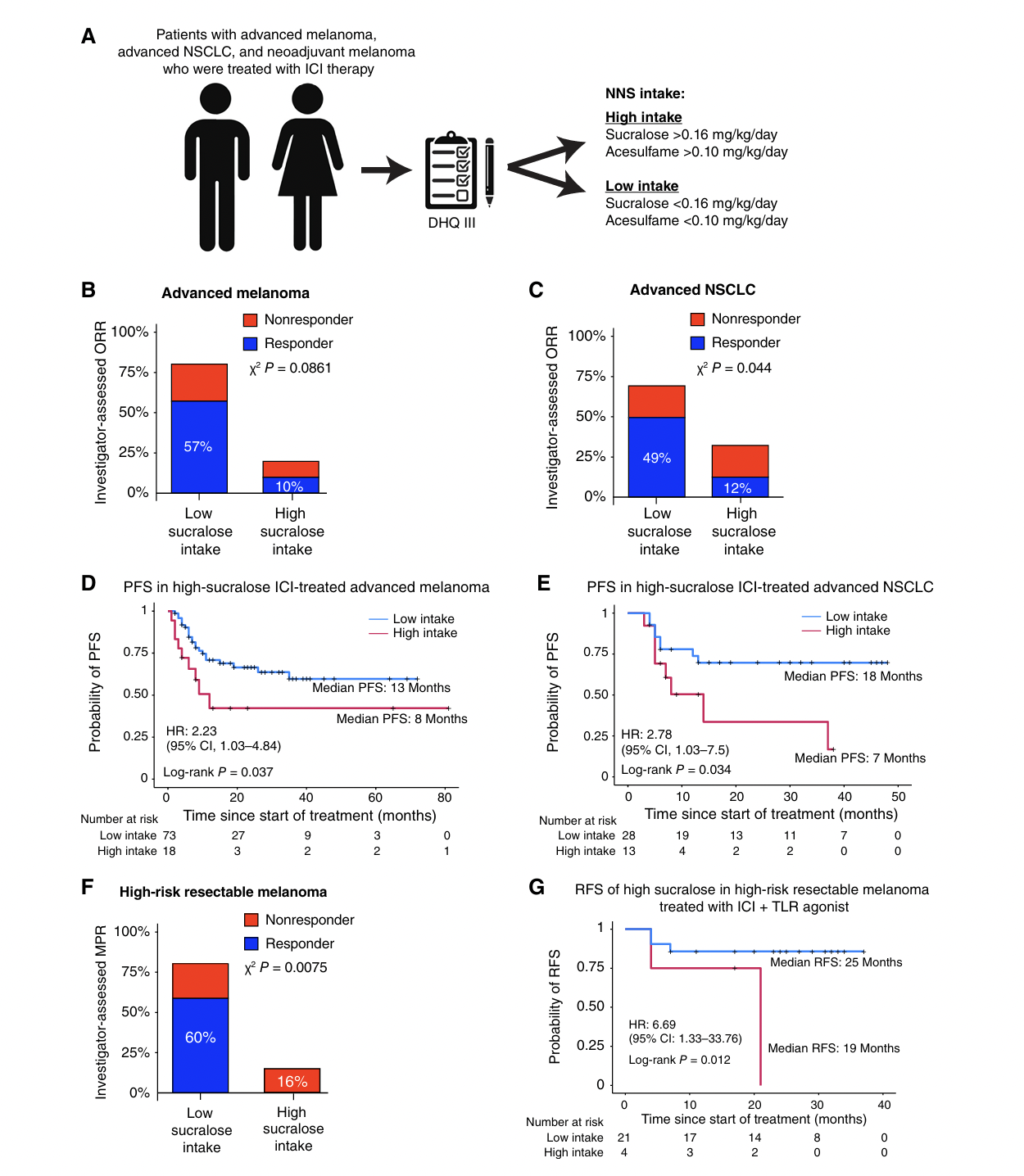
Shown here, “Sucralose Consumption Ablates Cancer Immunotherapy Response through Microbiome Disruption” data exerpt as published in Cancer Discovery November, 2025
There are no clinical trials showing sucralose is neutral for tumor growth or immunotherapy response; human data links higher intake to worse outcomes on immune checkpoint inhibitors (ICIs).
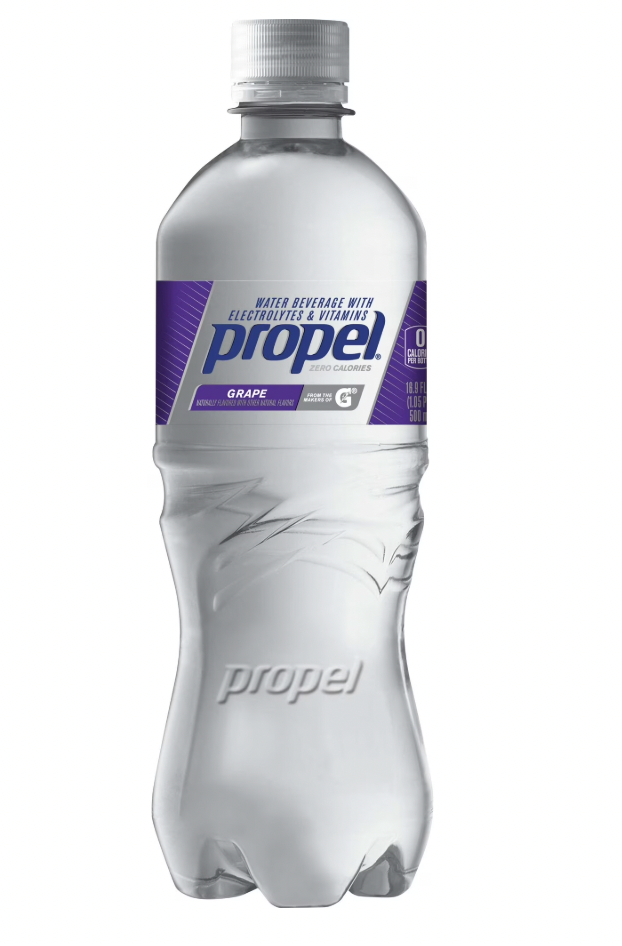
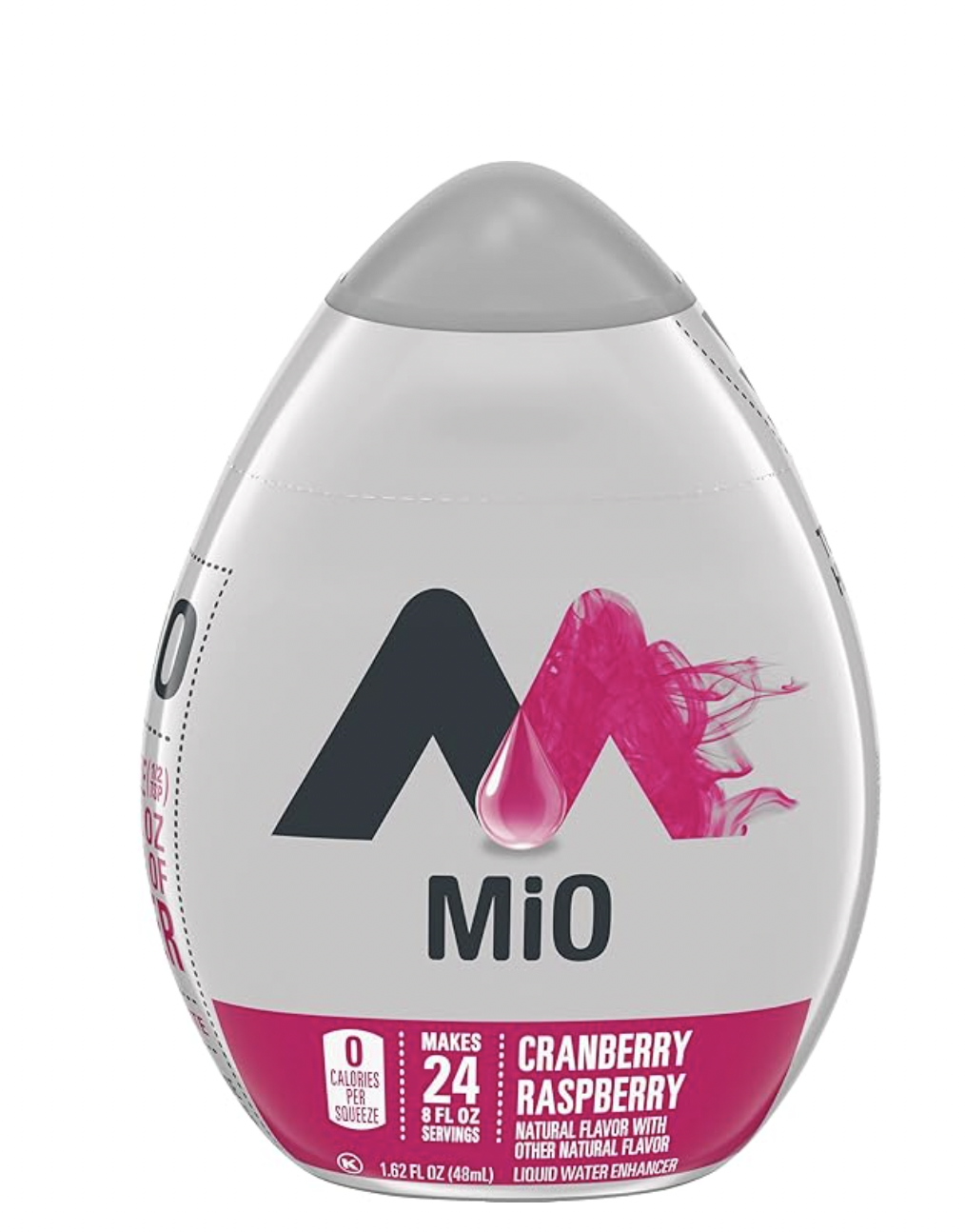
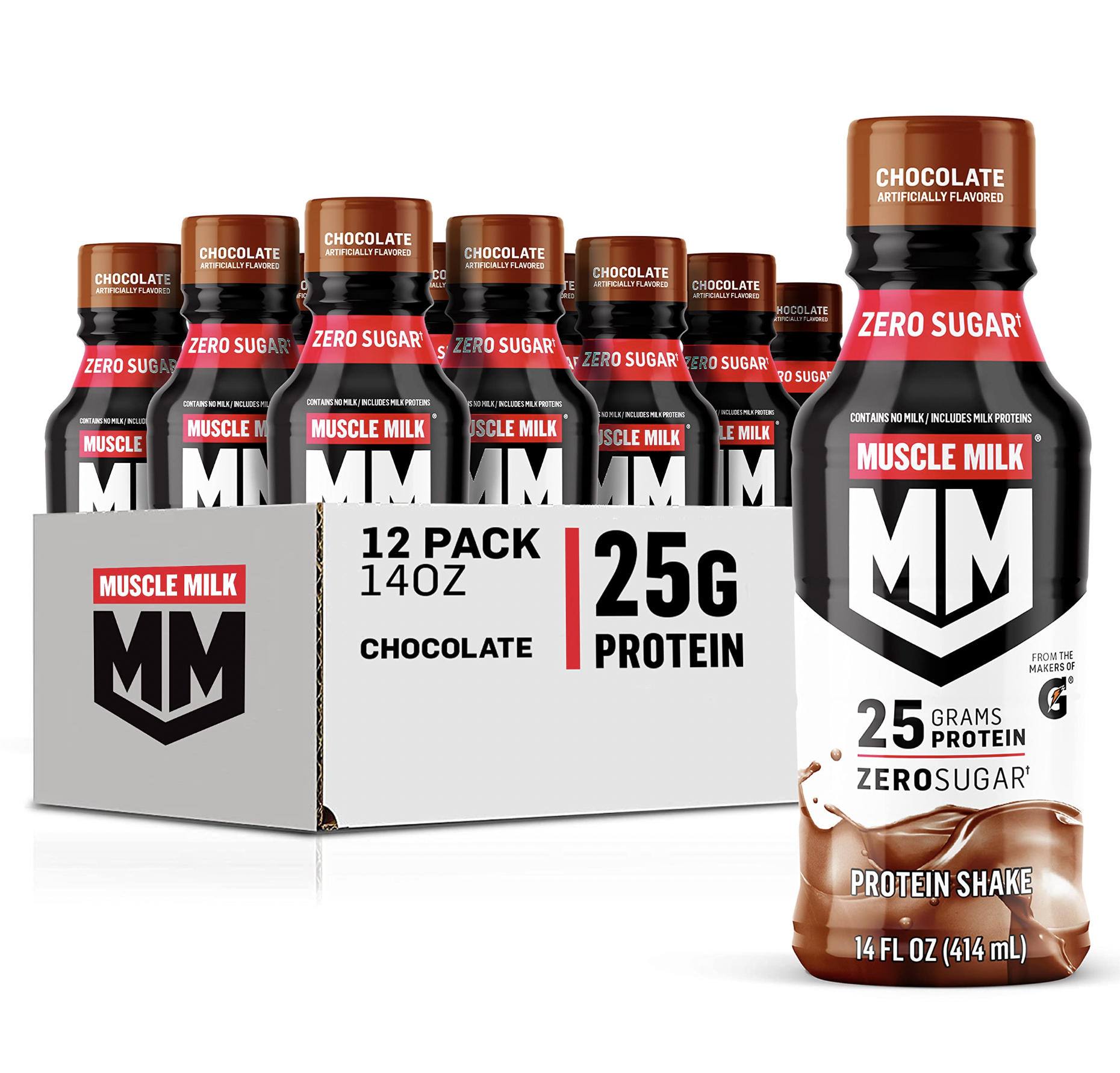
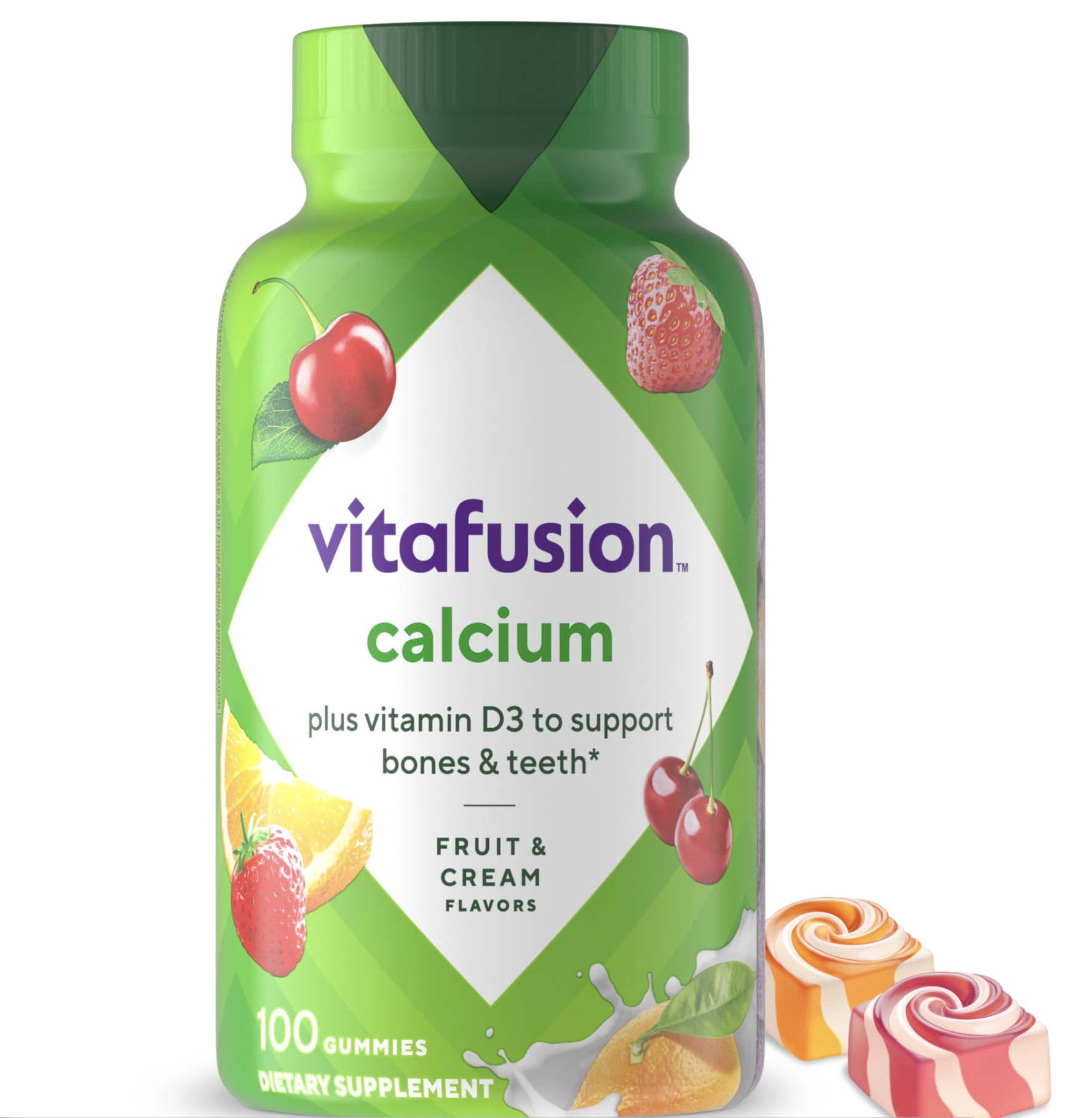
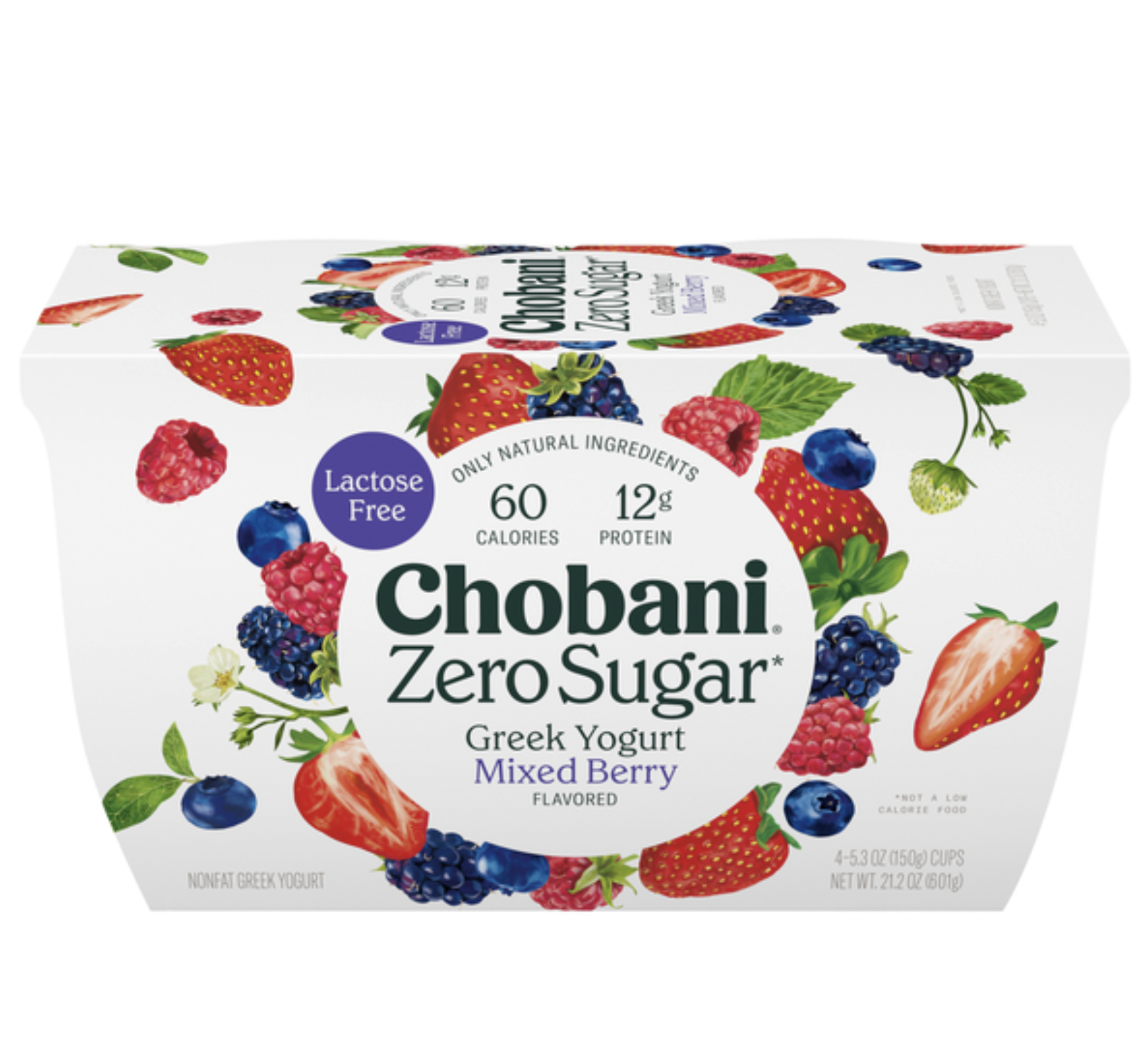
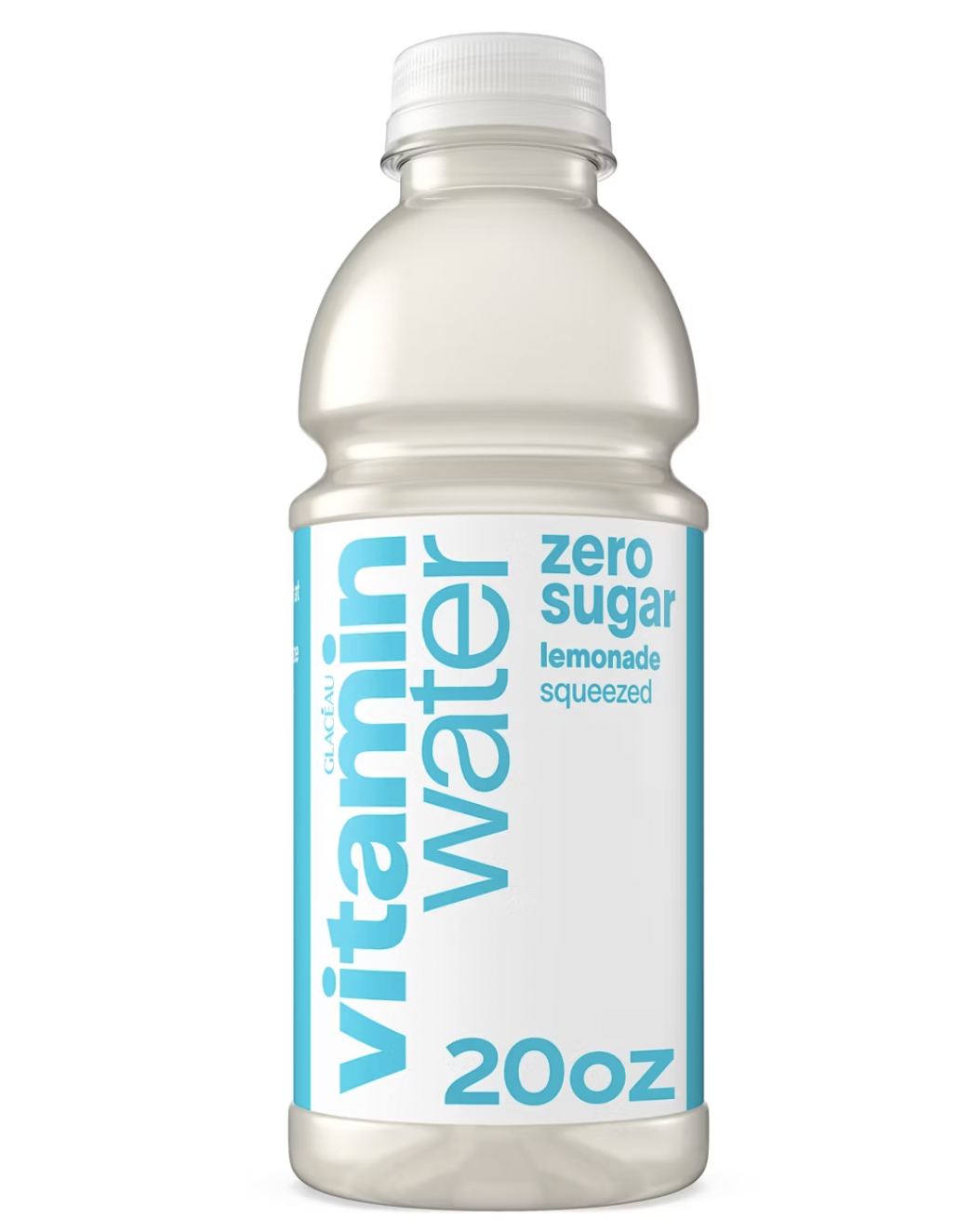
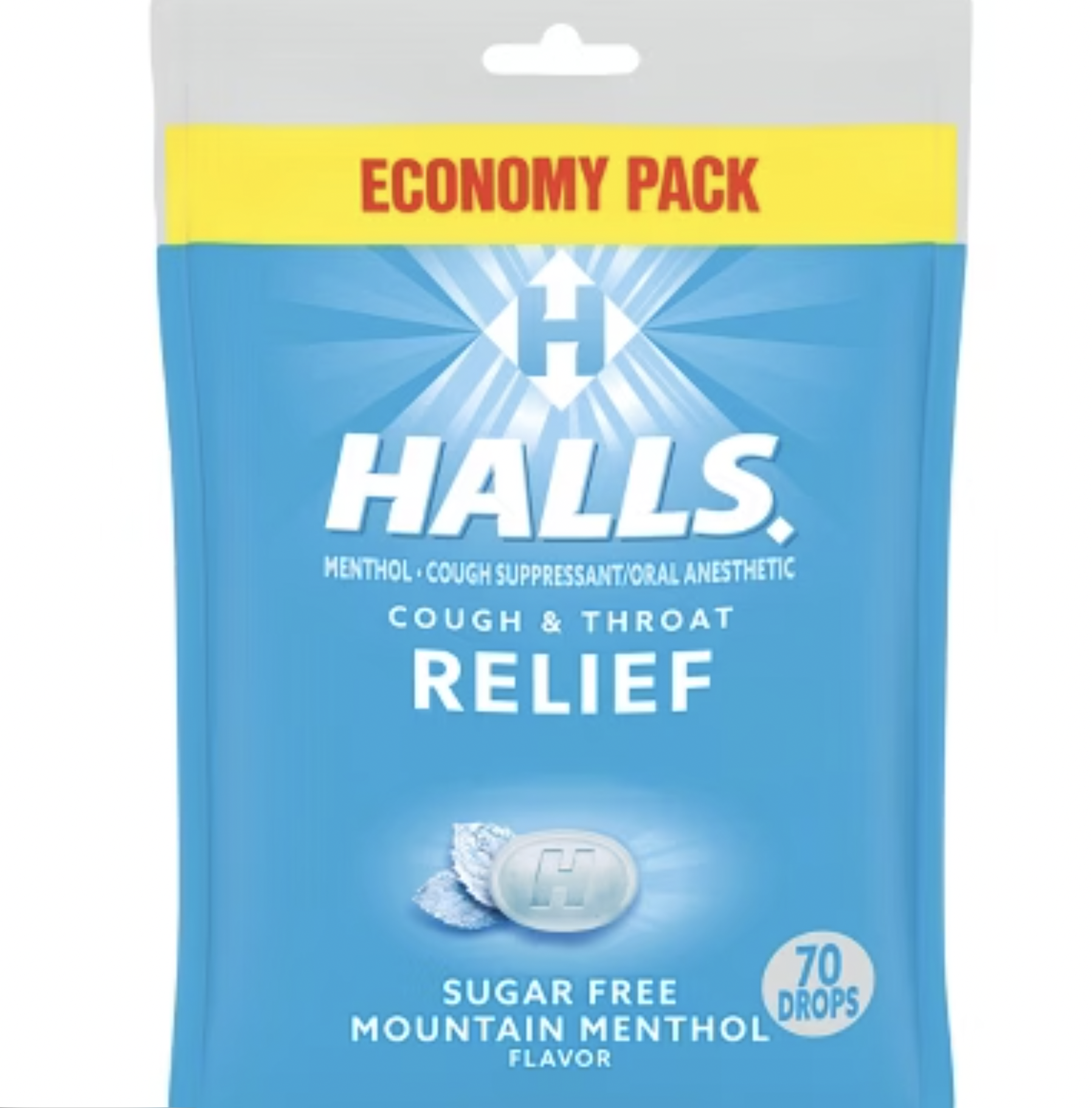
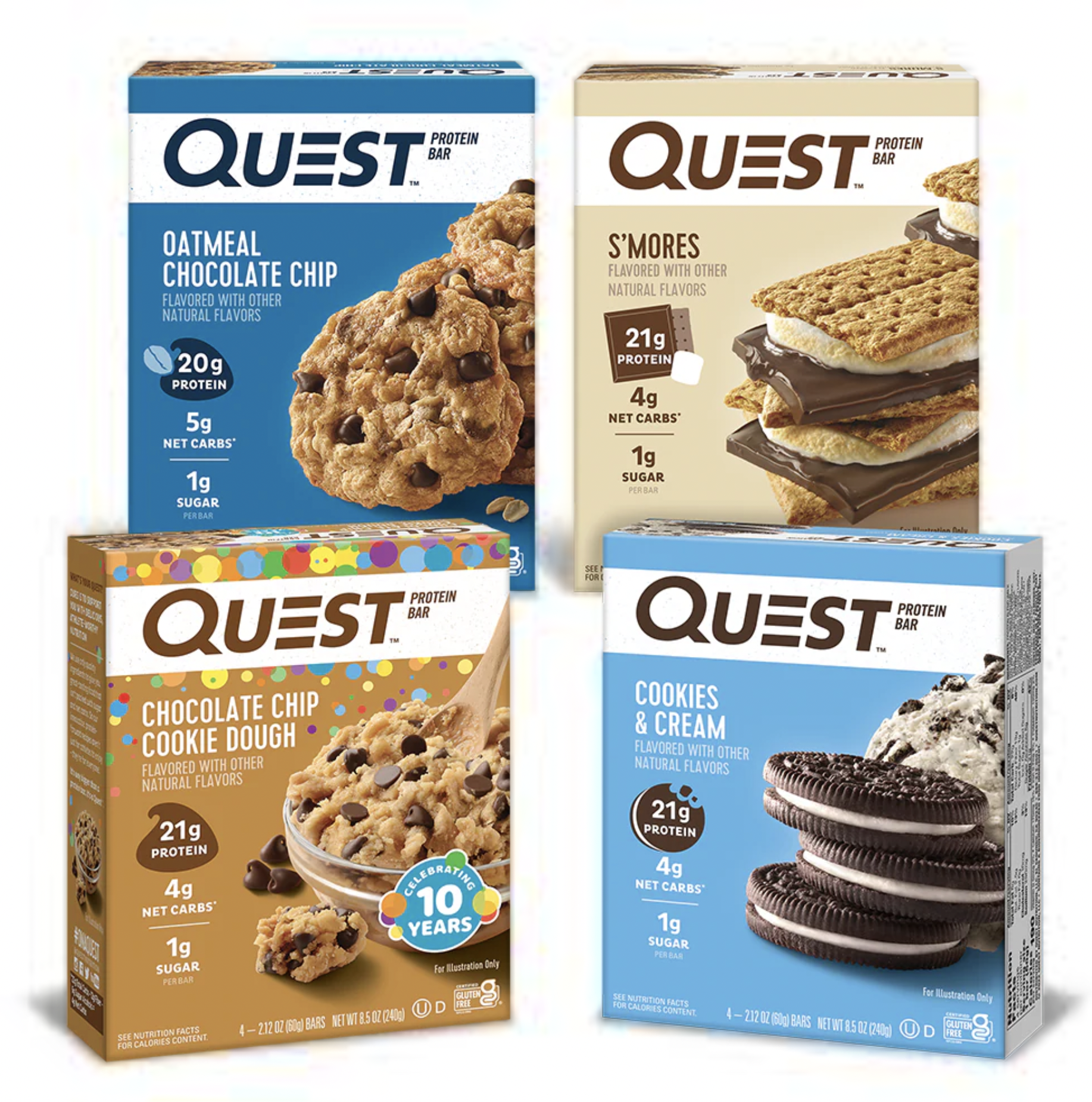
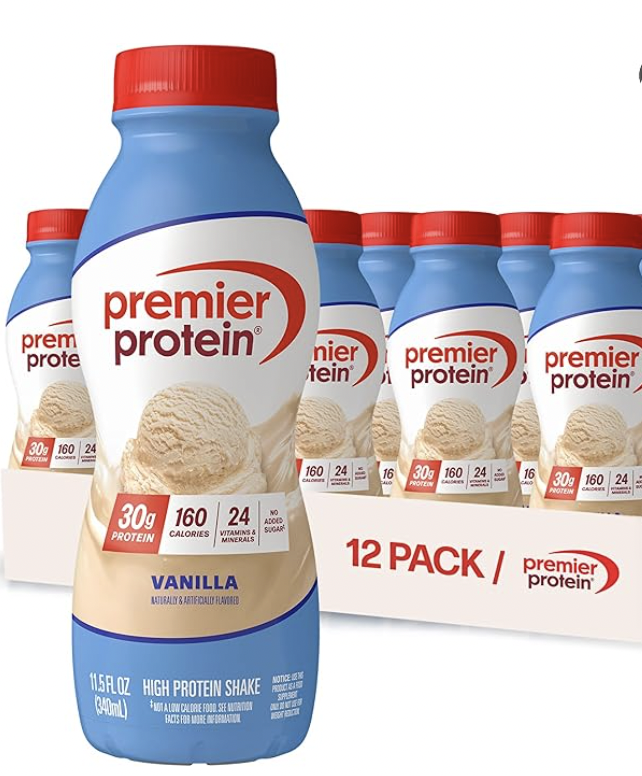
🚨 Hidden Sources of Sucralose (Patients Often Miss These)
Even people who “don’t use artificial sweeteners” may still be consuming sucralose from these products.
Many patients carefully avoid table sweeteners but unknowingly consume sucralose daily through “healthy” convenience products. The key is not fear — it’s awareness and informed choice.
🧃 Flavored Waters & “Healthy” Drinks often marketed as zero sugar, fitness, or hydration beverages
Watch especially:
Ready-to-drink protein shakes
Many protein bars
Some pre-workouts and BCAA powders
🍓 “Light,” “Low-Sugar,” or “Diabetic-Friendly” Foods
💊 Chewables, Gummies & Medications
👉 Look for these words in the ingredient list: Sucralose, Splenda (Often paired with acesulfame potassium (Ace-K))

What’s the Downside?!
Seriously folks, this should be a no-brainer.
While not all of the research is conclusive (some lab experiments found no negative effect), recent very strong lab and human evidence suggests that consumption of even small amounts of sucralose could:
Increase tumor growth
Reduce response to Immunotherapy
(IMPORTANT NOTE: Only about 20% of cancer patients respond to immunotherapy. Sucralose is one of the most commonly used artificial sweeteners in the US Food supply. Coincidence, maybe?)
Shorten progression-free survival (PFS)
Reduce overall survival (OS)
This is an easy strategy to help you outperform cancer and there is no downside. When I spoke to Dr. Abby Overacre about her work studying the impact of sucralose, she told me that she eliminated it from her family’s diet. That means something.
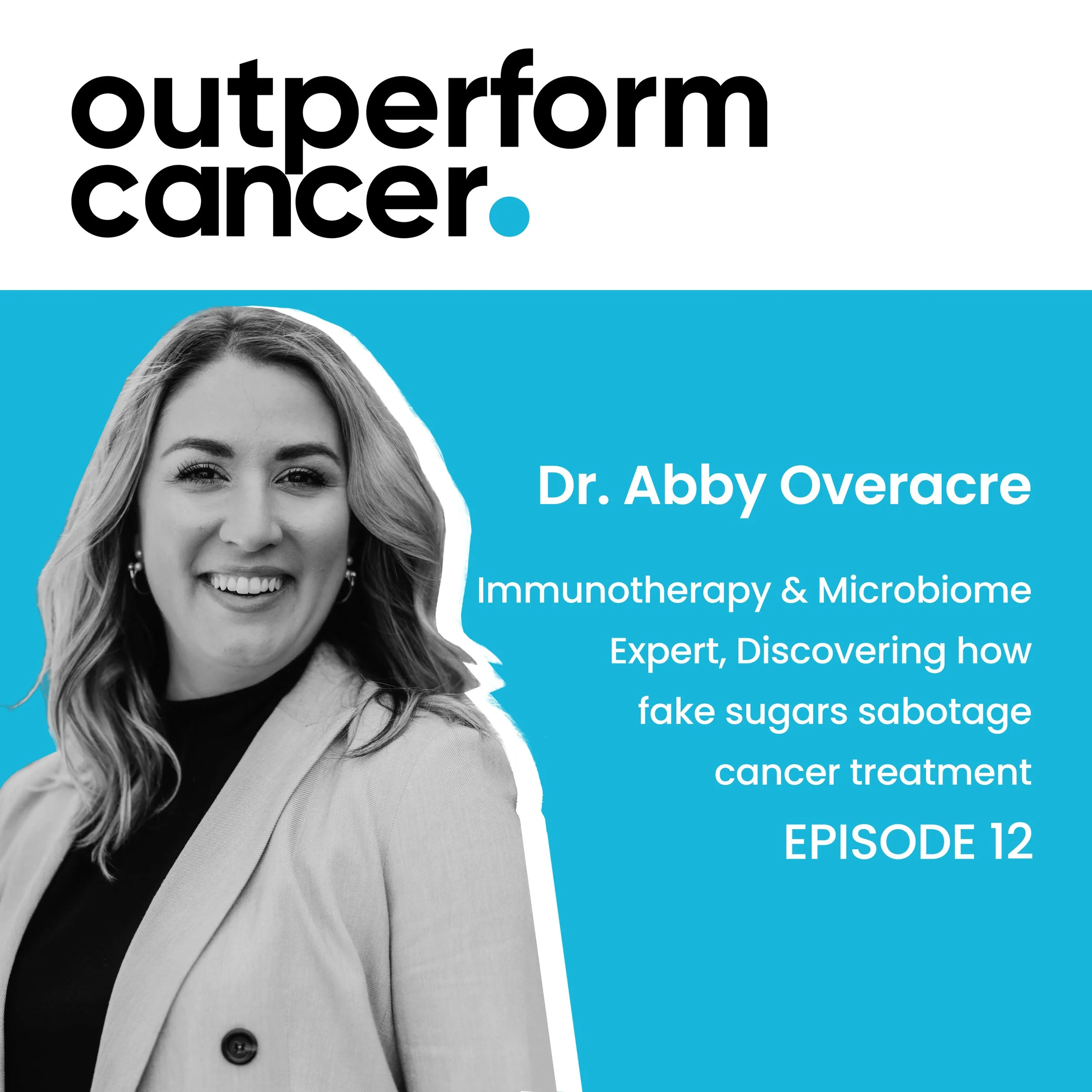
Dr. Abby Overacre — A Warning for Cancer Patients: Sucralose May Block Immunotherapy
In this episode, Dr. Abby Overacre, immunologist and microbiome researcher at the University of Pittsburgh, explains new research showing that sucralose, the sweetener in Splenda and many “sugar-free” products, can dramatically weaken the effectiveness of cancer immunotherapy.
Her team discovered that sucralose disrupts the gut microbiome, reduces levels of the immune-fueling amino acid arginine, and blunts the tumor-fighting response of T-cells. Even small amounts—just three packets a day—were linked to faster tumor growth and poorer immunotherapy outcomes in both preclinical models and patients with melanoma and lung cancer.


